Editorial Team
 08 Jan 2026
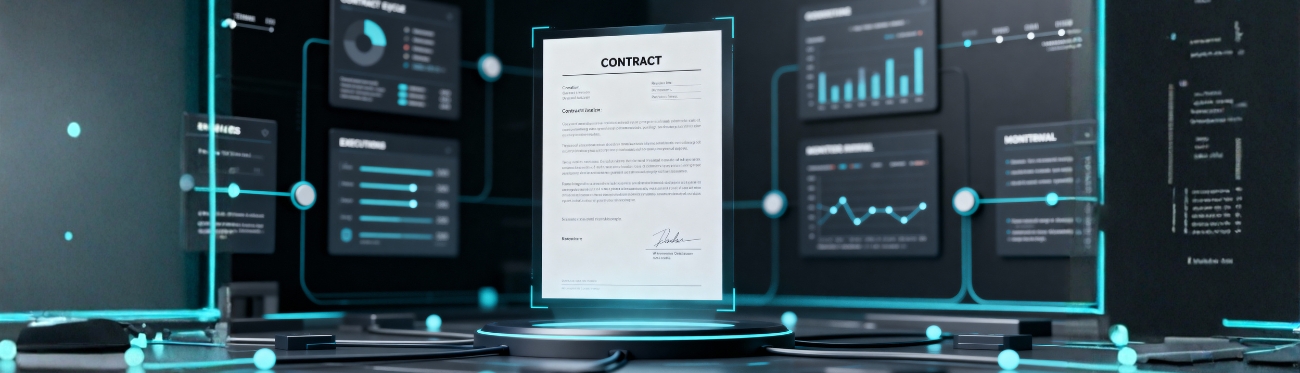
Contracts are a very critical part of every business relationship, yet most organisations still manage them through disconnected systems, manual processes, and scattered storage. As contract volumes increase and regulatory expectations grow, this approach creates inefficiencies, risks, and missed opportunities.
And this is why having an efficient Contract Lifecycle Management (CLM) system is critical. It simply changes how organisations create, manage, and govern contracts by bringing structure, visibility, and intelligence to the entire lifecycle.
To understand how the Contract Lifecycle Management (CLM) system turns contracts into controlled, compliant business assets, let us dig deeper into the realities of existing contract management systems. Let’s have a look!
The Reality of Contract Management Today
Many enterprises still rely on outdated contract management practices that were never designed for scale. These systems often store contract data across emails, shared drives, and individual systems. Thus, it makes it difficult to access the right information at the right time. As a result, workflows remain unorganised, approvals are delayed, and communication gaps between internal teams and external parties slow down decision-making.
All in all, without automation, organisations face missed renewals, compliance risks, security concerns, and long contract cycles. Over time, these gaps lead to revenue leakage, increased operational costs, strained supplier and customer relationships, and a higher likelihood of disputes and litigation.
Let us now examine the importance of an efficient Contract Lifecycle Management System.
Why Contract Lifecycle Management (CLM) Matters
A Contract Lifecycle Management system treats contracts as living business assets rather than static documents. It manages every stage of the contract journey in a single, unified environment, starting from request and drafting to negotiation, approval, execution, monitoring, renewal, and closure.
The CLM system allows organisations to gain control over timelines, obligations, compliance requirements, and financial exposure. In fact, contracts become easier to manage, audit, and scale across teams and geographies.
Now that we understand why Contract Lifecycle Management matters, let us explore the Jupitice Contract Lifecycle Management System. More importantly, let us determine why an increasing number of organisations are adopting CLM systems.
How Jupitice CLM Simplifies Contract Management
Jupitice’s Contract Lifecycle Management system is designed to make contract management effortless and reliable. Contracts can be created using smart templates and clause libraries, allowing teams to draft faster while maintaining consistency and compliance. During negotiation, real-time collaboration, redlining, and version control ensure clarity and transparency for all stakeholders.
Once contracts are signed using secure electronic signatures, they are stored in a centralised repository with controlled access, audit trails, and complete change history. The best part? Automated alerts to track key dates, renewals, obligations, and milestones ensure that nothing is overlooked. Additionally, built-in compliance and risk tools help organisations identify issues early and respond proactively.
Jupitice CLM system also offers intuitive dashboards that provide real-time visibility into contract performance, enabling teams to stay informed and make confident decisions.
Here is how businesses become profitable by choosing an effective CLM System:
The Business Impact of an Effective CLM System
Poor contract management has a measurable cost. Several industrial studies show that organisations lose a significant percentage of revenue each year due to missed obligations, unmanaged renewals, and contract disputes. In fact, large organisations often handle tens of thousands of contracts, with a notable portion remaining unaccounted for or poorly managed.
However, an effective CLM system helps organisations avoid revenue leakage, reduce legal costs, improve compliance, and shorten contract cycles. Automated workflows and obligation tracking lead to faster negotiations, fewer errors, and stronger governance.
Over time, contracts shift from being operational risks to becoming sources of insight and value!
Take Away
Jupitice CLM is designed for organisations that manage high contract volumes across multiple departments and jurisdictions. It supports flexible deployment models, integrates with existing enterprise systems, and adheres to strong security and compliance standards, including encryption, access controls, and audit readiness.
With AI powered capabilities such as clause extraction, risk scoring, contract summarisation, and automated drafting assistance, the platform continuously improves efficiency while reducing dependency on manual intervention.
In a nutshell, Contract Lifecycle Management systems are no longer optional for organisations seeking predictability, compliance, and operational clarity. It creates a single source of truth for contracts, ensures accountability at every stage, and enables teams to focus on growth rather than firefighting.
Are your contracts still spread across folders, emails, and spreadsheets? If so, it is time to bring them under control.
Discover how Jupitice Contract Lifecycle Management (CLM) can help you reduce risk, prevent revenue leakage, and manage contracts with confidence with its configuration-driven technology that adapts to your organisation’s needs without complexity.
Because better contracts lead to better business outcomes!