Shagun Preet
 25 Jun 2026

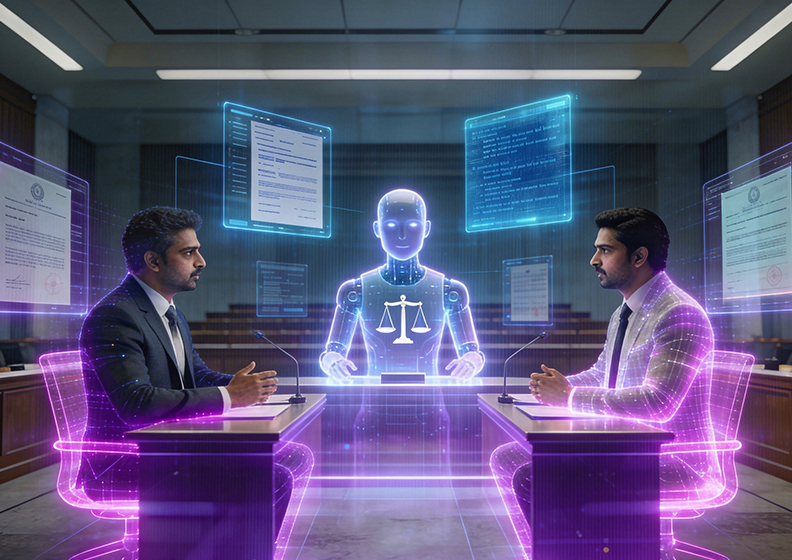
Most institutions looking for an online dispute resolution platform ask the same questions: Is the video conferencing reliable? Can hearings run remotely? Does it support e-signatures? These are the right questions. They are also the last ten per cent of the problem.
The 90% that determines whether an ODR platform actually delivers, if cases move, decisions get made, and institutions can stand behind their records, lives in the infrastructure beneath the hearing room: case management, approval chains, the back office, the diary, and the dashboards. Get the hearing room right and miss that chain, and you have a better Zoom call, not a functioning dispute resolution system.
For institutions searching for a top ODR platform in India, the real question is whether it can support the entire dispute resolution lifecycle before, during, and after the hearing.
The Chain Underneath the Hearing Room
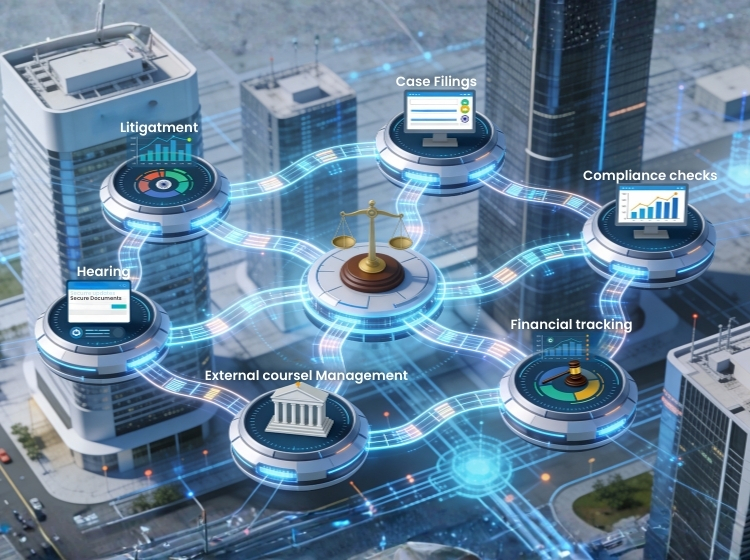
As a legal tech company focused on institutional justice and governance systems, Jupitice has designed its online dispute resolution platform around the operational reality of serious casework. The result is the Jupitice Online Dispute Resolution system, powered by an AI-native Case Lifecycle & Workflow Centre: five capabilities, each a precondition for the next.
Smart Case Management gives every matter a single authoritative home from the moment it is filed. Documents, orders, communications, and records all fall under a single, live, current case ID. No version confusion, no scattered repositories. That single ID is the anchor to which everything else attaches.
Approval & Hierarchy Management runs on top of it. Verbal sign-offs and email trails are supplanted by workflow systems: if the Registrar needs to approve an extension for a procedure, the extension is marked, verified, and recorded according to the specific case in which it must be approved. This process leaves an automatic audit trail. Since it is already recorded at the source, no re-recording is necessary at another level.
Back Office Management takes scheduling, notifications, and administrative tracking off individual desks and consolidates them into a single infrastructure. The hearing date can be changed only once because it updates the record where the approval was previously entered, not in a parallel system that would be manually updated.
Digital Diary & Case Log Management makes all of this an organised record, created on the fly, based on case ID, approval history, and scheduling activity that operates under the hood. When counsel needs to confirm a notice sequence from four months ago, the answer is in the diary within minutes. When regulators ask for an audit, the record is complete, not because someone remembered to update it, but because there was never a separate step where it could be missed.
Customised Stakeholder Dashboards are where all of that surfaces, filtered by role. The arbitral panel sees the procedural timeline drawn from the diary. The back office sees task queues from the administrative layer. Legal teams see their matters; finance sees only what is relevant to them. The dashboard is not a sixth system pulling data from elsewhere. It is the visible face of the same chain that began with a single case ID.
What This Means for Your ODR Platform
Once these five capabilities interact, the difference becomes structural. Cases move since the approval is not stuck in the inbox. The records are clear since the diary writes itself based on the data already collected from the other four layers. The stakeholders are on board since the dashboards show a single stream rather than five reconciled systems.
This is what separates a basic online dispute resolution platform from a serious institutional ODR infrastructure. A platform may support hearings. A stronger platform supports the institution behind those hearings. Jupitice Online Dispute Resolution Platform is built for that deeper requirement: connected workflows, reliable records, accountable approvals, and role-based visibility across the entire case lifecycle.
The hearing room eventually becomes a place where the dispute is resolved, not where the administrative failures of the preceding weeks surface.
Built for Institutions That Take Their Docket Seriously
If these five functions work in concert, the impact will be fundamental. Cases move, since approval does not linger in someone’s inbox. The record is that, whether you manage an arbitration centre, a regulatory tribunal, corporate dispute resolution, or a public-sector grievances board, the issue is no longer whether you should embrace technology. Rather, it is whether or not your online dispute resolution system is conceived as a linked chain or a set of functions that appear robust in the presentation, but fall apart in practice.
For institutions evaluating a top ODR platform in India, Jupitice offers more than digital hearings. It provides the infrastructure required to manage institutional dispute resolution with consistency, traceability, and control.
Jupitice’s AI-Powered Case Lifecycle & Workflow Centre is live and deployed, built for institutions that cannot afford legal tech infrastructure that breaks under the weight of real casework.
Jupitice Justice Technologies Pvt. Ltd. is a top legal tech company that builds digital operating systems for institutional legal and governance processes.